
We're a podcast, YouTube Channel and blog platform - designed to inspire growth, spark ideas, and help professionals, like you, achieve your full potential.
We're a podcast, YouTube Channel and blog platform - designed to inspire growth, spark ideas, and help professionals, like you, achieve your full potential.
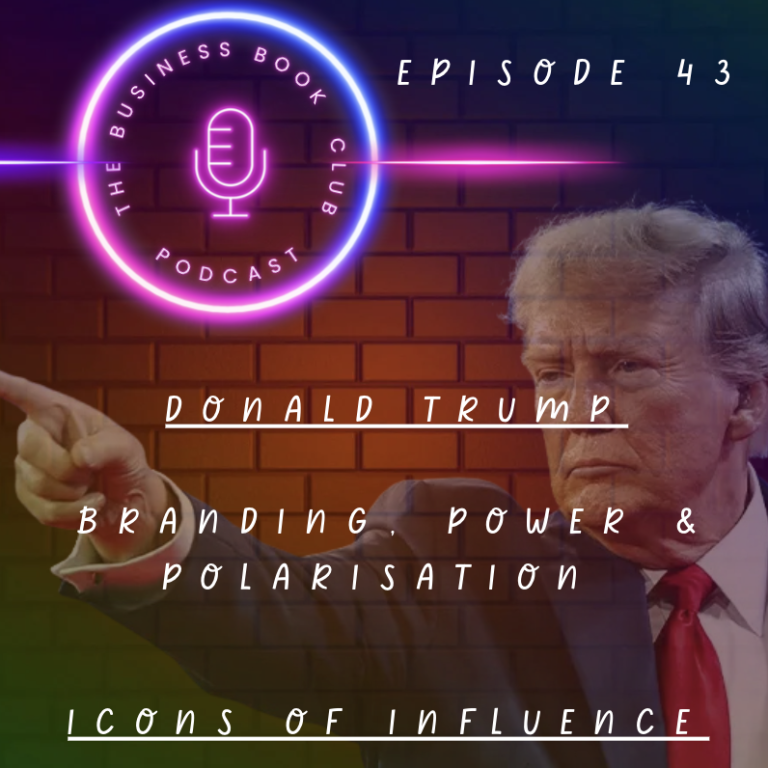
Donald J. Trump is one of the most polarising figures of the modern era — a businessman-turned-president whose influence merges brand, media, politics, and power. Long before entering the White House, he built a public persona rooted in visibility, luxury, and hyper-confidence, using real estate, television, and aggressive branding to turn his name into a global asset. “Trump” became more than a surname — it became a symbol of wealth, spectacle, and boldness.
His rise in politics leveraged that same brand strategy. With The Apprentice, Trump cultivated an image of decisive leadership, amplifying his reputation as a straight-talking dealmaker. When he entered the political arena, he applied the same approach: simplicity, repetition, controversy, and relentless media presence. His connection with supporters came from framing himself as an outsider willing to disrupt existing systems.
But Trump’s influence is far more complicated than branding alone. His tenure reshaped American political discourse, public trust in institutions, and global conversation around populism and media. Whether admired, criticised, or rejected entirely, Donald Trump redefined what power looks like when business, entertainment, and politics collide — and how a personal brand can become a political force.

01
Licensing the Trump brand generated millions — often separate from the success or failure of the actual properties.
02
Direct, unfiltered messaging on social platforms reshaped public discourse and political strategy.
03
From The Apprentice to his presidency, Trump blurred industry lines, showing how fame can translate into political power.
04
His style influenced political movements across Europe, South America, and beyond, fuelling debates on nationalism, identity, and democracy.
Donald Trump’s influence stretches across business, media, and politics, where his brand shaped new models of visibility and persuasion. Through hotels, golf resorts, licensing deals, and real estate projects, he turned his name into a commodity — demonstrating the power of personal branding to create revenue streams across multiple sectors, even when the underlying businesses faced challenges. His approach reshaped how celebrity entrepreneurs leverage identity as product.
In politics, his presidency ignited a global wave of populist movements that mirrored his messaging style: blunt, anti-establishment, emotionally charged, and heavily dependent on media amplification. Trump’s use of social platforms transformed political communication — encouraging leaders worldwide to bypass traditional media, speak directly to supporters, and frame narratives around identity and grievance. His rallies and messaging strategies created a blueprint for modern, personality-driven populist campaigns.
Culturally, Trump’s impact is deep and divisive. To supporters, he represents authenticity, strength, and resistance to elite systems; to critics, he symbolises misinformation, extremism, and democratic erosion. His influence sparked debates about media credibility, election integrity, political identity, and civic norms. Whether one approves or condemns him, Trump forced a global reckoning with how branding, influence, and political power shape society in the 21st century — and how polarisation can become a defining cultural force.
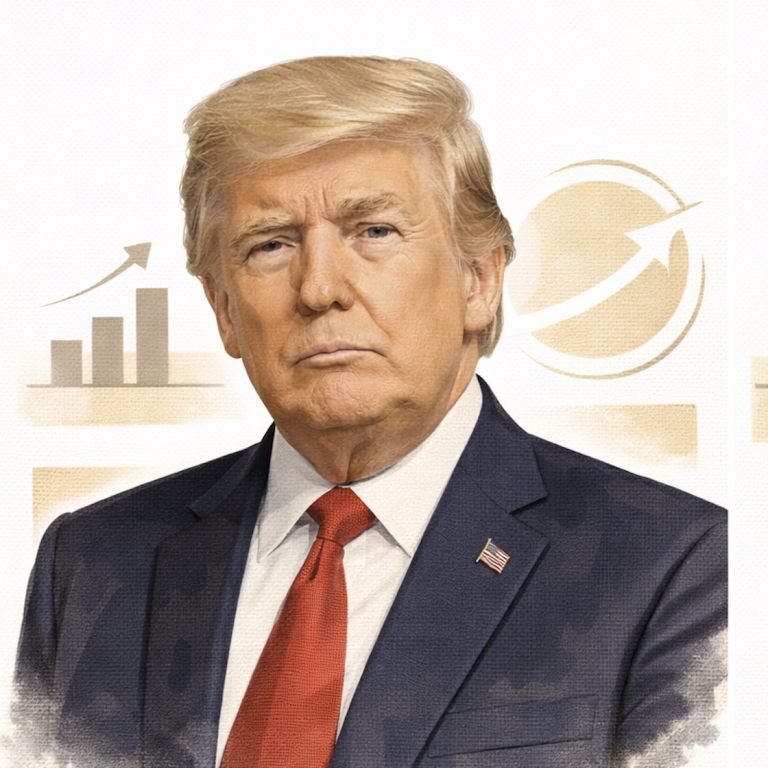
Donald Trump
Image: AI Generated for editorial purposes only
The Icons of Influence podcast series is available across a broad range of podcast platforms. If you can't see the one you want - send us a message or search for us on your platform of choice.
We need your consent to load the translations
We use a third-party service to translate the website content that may collect data about your activity. Please review the details in the privacy policy and accept the service to view the translations.


