
We're a podcast, YouTube Channel and blog platform - designed to inspire growth, spark ideas, and help professionals, like you, achieve your full potential.
We're a podcast, YouTube Channel and blog platform - designed to inspire growth, spark ideas, and help professionals, like you, achieve your full potential.
Oprah Winfrey is not simply one of the most recognisable media figures in the world — she is one of the most strategically influential architects of modern power. Rising from poverty and trauma to build a global empire, Oprah transformed voice into ownership, trust into authority, and visibility into long-term impact.
From redefining daytime television to reshaping publishing, film, wellness, and leadership culture, Oprah built influence that compounds rather than spikes. Her power was never rooted in controversy or performance — it was grounded in credibility, emotional intelligence, and disciplined stewardship.
By integrating identity rather than hiding it, and by insisting on ownership rather than access alone, Oprah changed what influence looks like — especially for women, for Black leaders, and for anyone building power with purpose.
Oprah Winfrey didn’t just host conversations. She built the infrastructure that shaped them.

01
By negotiating ownership of her show early on, Oprah shifted from talent to power holder — building leverage, autonomy, and long-term control.
02
Her authority wasn’t hype-driven. It was rooted in credibility, empathy, and consistency — the most durable form of influence.
03
From television and publishing to film, wellness, and equity investments, Oprah built interconnected platforms aligned with her values.
04
By integrating vulnerability, lived experience, and emotional intelligence, Oprah turned identity into strategic authority rather than limitation.
Oprah’s influence extends far beyond media fame — it operates at the level of systems, markets, and cultural norms. Through Harpo Productions, she shifted from on-screen talent to power broker, controlling content, intellectual property, and distribution. The Oprah Winfrey Show didn’t just dominate ratings — it redefined how audiences engage with storytelling, emotion, and trust.
Her Book Club transformed publishing economics, repeatedly turning unknown authors into bestsellers and proving the commercial power of values-based endorsement. With O, The Oprah Magazine, she extended her influence into print, shaping conversations around self-worth, growth, and responsibility.
The creation of OWN (Oprah Winfrey Network) marked a shift from brand to ecosystem. Despite early challenges, Oprah applied long-term leadership, recalibration, and patience — turning the network into a profitable, purpose-led platform.
Her equity-based partnership with Weight Watchers redefined celebrity influence, moving away from endorsement toward ownership and alignment.
Across philanthropy, media, investment, and advocacy, Oprah modelled a form of influence built on trust, reflection, and sustained responsibility. She didn’t chase attention. She built authority.
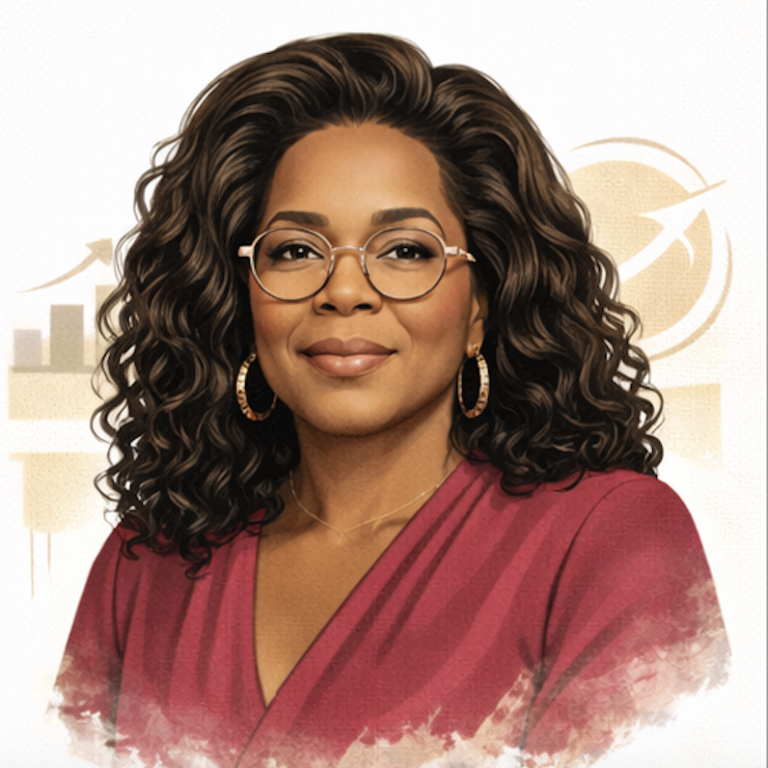
Oprah Winfrey
Image: AI Generated for editorial purposes only
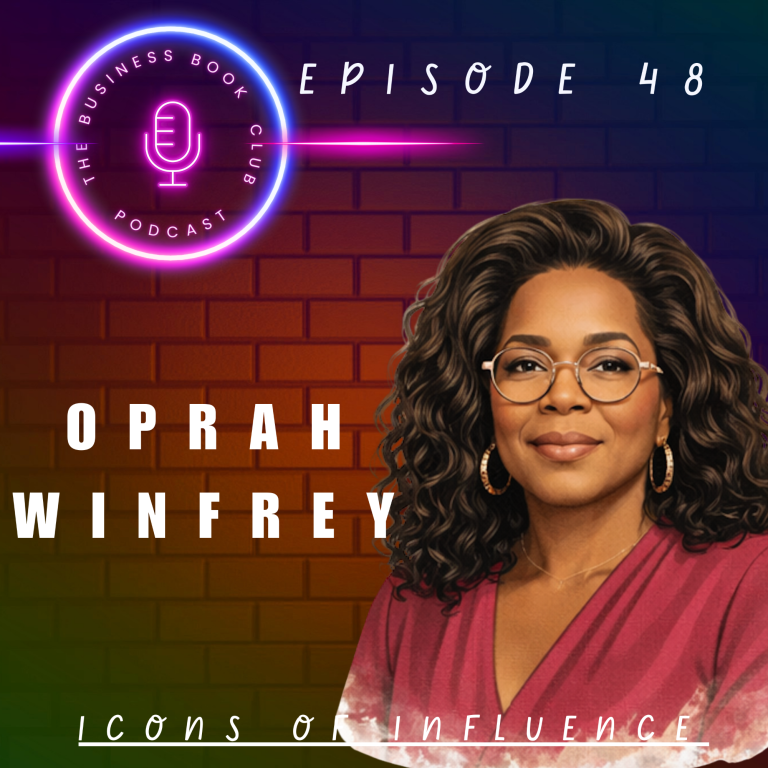
The Icons of Influence podcast series is available across a broad range of podcast platforms. If you can't see the one you want - send us a message or search for us on your platform of choice.
Oprah Winfrey - Icons of Influence
How do you turn voice into ownership? Visibility into authority? And trust into one of the most powerful business assets in the world? In this episode of Icons of Influence, we explore the extraordinary rise of Oprah Winfrey — a media pioneer who didn’t just build a platform, but redefined what influence looks like across business, culture, and leadership.
We need your consent to load the translations
We use a third-party service to translate the website content that may collect data about your activity. Please review the details in the privacy policy and accept the service to view the translations.


