
We're a podcast, YouTube Channel and blog platform - designed to inspire growth, spark ideas, and help professionals, like you, achieve your full potential.
We're a podcast, YouTube Channel and blog platform - designed to inspire growth, spark ideas, and help professionals, like you, achieve your full potential.
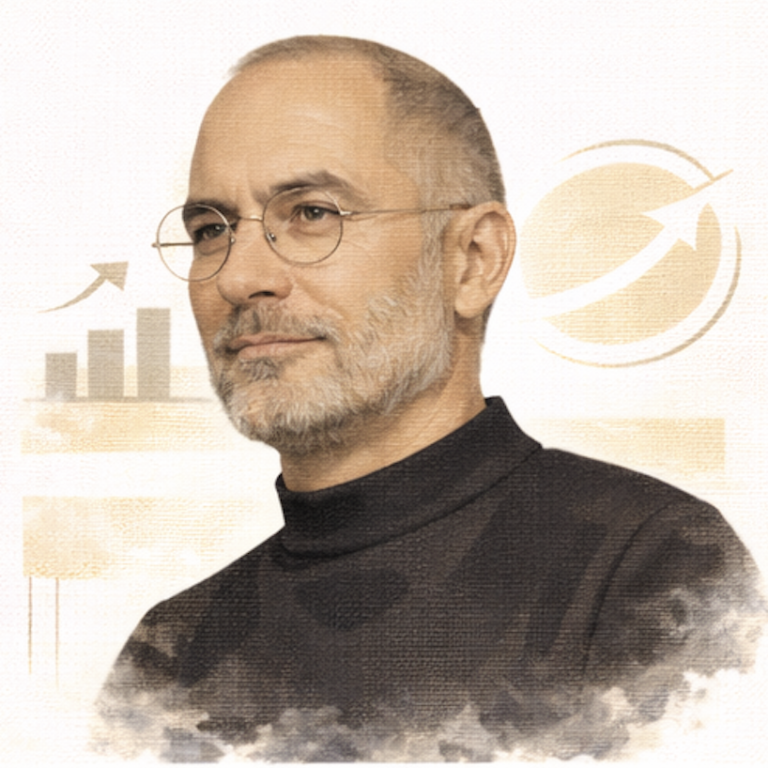
Steve Jobs was one of the most influential — and most complex — figures in modern business history. A founder, visionary, and relentless perfectionist, he reshaped how technology intersects with human life, emotion, and identity.
From co-founding Apple to being ousted from it, then returning to engineer one of the greatest corporate turnarounds of all time, Jobs’ influence was forged through vision, obsession, and uncompromising standards. He believed technology should not just function — it should feel intuitive, elegant, and human.
His leadership was intense, often uncomfortable, and deeply polarising. But the systems, products, and philosophies he built continue to shape industries long after his death.
Steve Jobs didn’t just innovate.
He changed how we expect the world to be designed.

01
Jobs proved that aesthetics, simplicity, and emotional resonance could be as powerful as engineering.
02
Apple products succeeded not just because of what they did, but because of what they represented.
03
Jobs’ obsession with saying “no” allowed Apple to dominate through clarity rather than excess.
04
Even after his death, Apple’s culture reflects his philosophy — proof of influence that outlives the individual.
Steve Jobs’ influence is embedded into the architecture of modern life. Through Apple, he redefined consumer technology — shifting it from utilitarian hardware to emotionally resonant, design-led experiences. Products like the Macintosh, iPod, iPhone, and iPad didn’t just succeed commercially; they reshaped entire industries including music, mobile communication, publishing, and software.
Jobs also transformed how innovation is presented. Product launches became cultural events. Keynotes became storytelling performances. Apple positioned itself not as a tech company, but as a creative movement — aligning its users with identity, individuality, and “thinking differently.”
Beyond Apple, Pixar revolutionised animation and storytelling, proving that technology and creativity could coexist at the highest level. His time at NeXT, though commercially limited, deeply influenced modern operating systems and Apple’s eventual resurgence.
Jobs’ enduring impact lies not only in products, but in philosophy: simplicity, focus, integration, and taste as leadership principles. His ideas about design, restraint, and user experience continue to influence founders, designers, and executives across industries.
He didn’t just build companies. He built a worldview.
Steve Jobs
Image: AI Generated for editorial purposes only
The Icons of Influence podcast series is available across a broad range of podcast platforms. If you can't see the one you want - send us a message or search for us on your platform of choice.
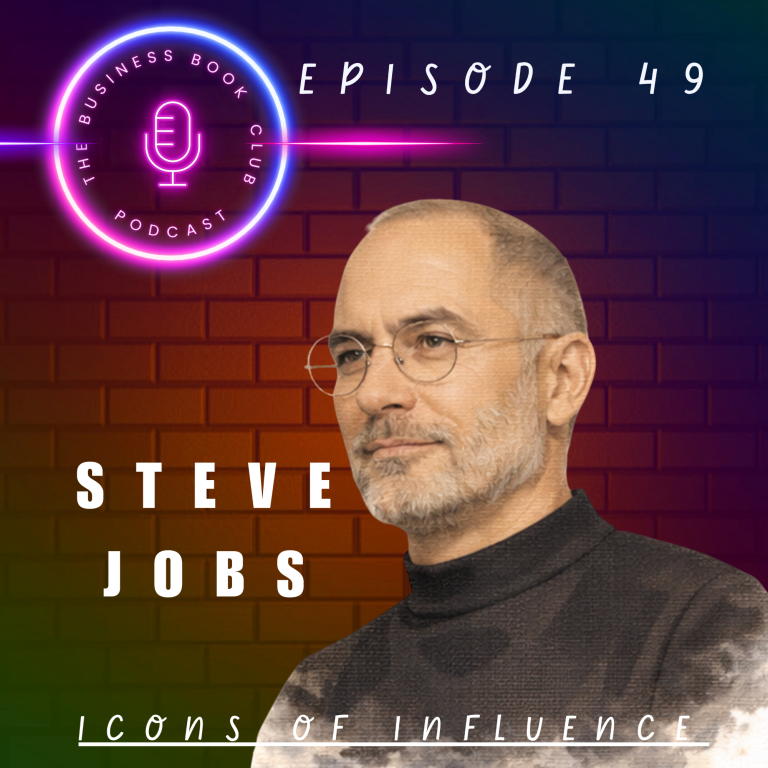
Steve Jobs - Icons of Influence
Few leaders have reshaped business, technology, and culture as profoundly as Steve Jobs. In this episode of Icons of Influence, we explore how Jobs turned vision into power, design into strategy, and storytelling into one of the most effective tools in modern leadership. This episode is not about mythology — it’s about understanding how influence is actually built, sustained, and embedded.
We need your consent to load the translations
We use a third-party service to translate the website content that may collect data about your activity. Please review the details in the privacy policy and accept the service to view the translations.


