
We're a podcast, YouTube Channel and blog platform - designed to inspire growth, spark ideas, and help professionals, like you, achieve your full potential.
We're a podcast, YouTube Channel and blog platform - designed to inspire growth, spark ideas, and help professionals, like you, achieve your full potential.
In this episode of The Business Book Club, we explore Mindwise by Nicholas Epley — a fascinating deep dive into how we understand the minds of others, and why we so often get it wrong. Blending psychology, neuroscience, and behavioural science, Epley reveals the invisible forces shaping empathy, perspective-taking, and communication — and how our assumptions about what others think can lead to misunderstandings in both business and everyday life.
The book challenges our confidence in how well we “read” people, showing that mind reading — our ability to infer others’ thoughts and emotions — is often flawed. Through vivid research examples, Epley explains how to bridge this gap by listening actively, asking questions, and being curious instead of certain.
In this episode, we unpack how Mindwise applies to leadership, negotiation, teamwork, and customer relationships. By learning to see others more clearly — and understand ourselves better — we can improve collaboration, reduce conflict, and make smarter, more human decisions in every area of work and life.
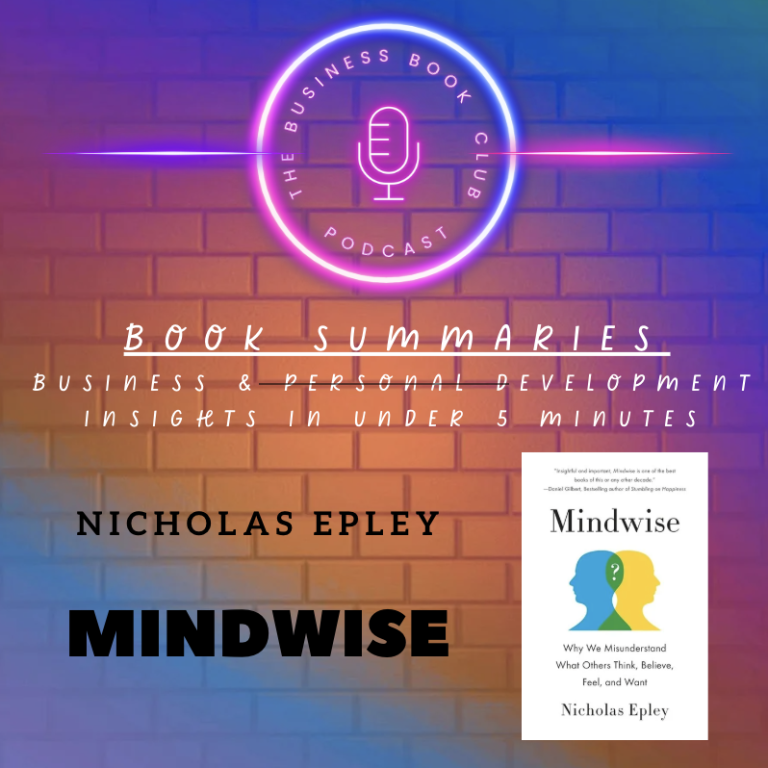
The 5 Minute Book Summaries podcast series is available across a broad range of podcast platforms. If you can't see the one you want - send us a message or search for us on your platform of choice.
Nicholas Epley is a leading behavioural scientist, author, and professor of behavioural science at the University of Chicago Booth School of Business. His research focuses on social cognition — how people form impressions, make judgements, and understand others’ thoughts and emotions. Epley has been recognised as one of the world’s most influential psychologists, earning numerous academic awards for his work on human behaviour and decision-making.
In addition to writing Mindwise, Epley has published extensively in top journals such as Science and The Journal of Personality and Social Psychology. He is also a frequent speaker and advisor to organisations seeking to improve leadership, teamwork, and empathy in business. His work bridges rigorous research with practical insight — helping leaders and individuals understand others more accurately, connect more deeply, and communicate more effectively.
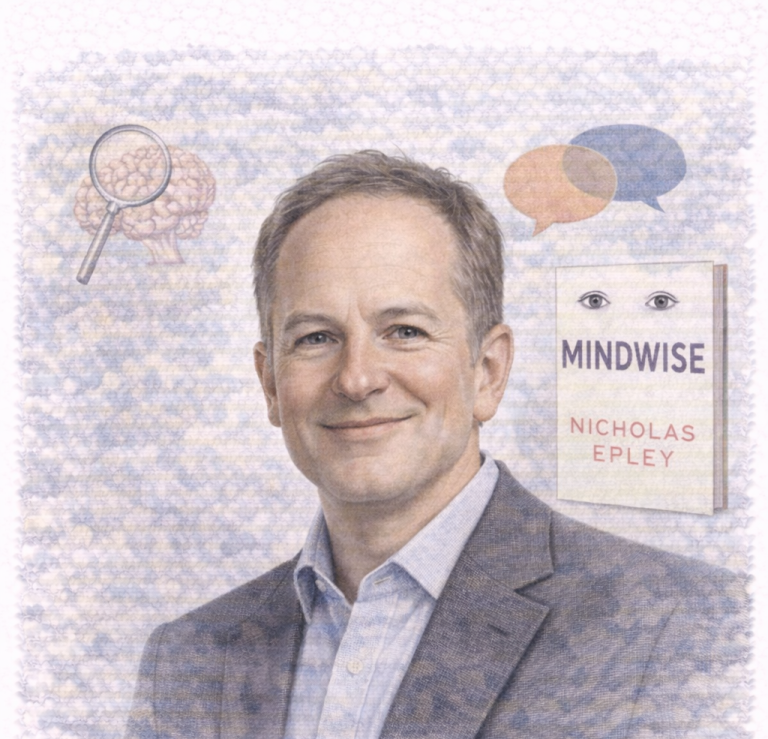
Image: AI Generated for editorial purposes only

We need your consent to load the translations
We use a third-party service to translate the website content that may collect data about your activity. Please review the details in the privacy policy and accept the service to view the translations.


