
We're a podcast, YouTube Channel and blog platform - designed to inspire growth, spark ideas, and help professionals, like you, achieve your full potential.
We're a podcast, YouTube Channel and blog platform - designed to inspire growth, spark ideas, and help professionals, like you, achieve your full potential.
In this episode of The Business Book Club, we explore The Big Short by Michael Lewis — one of the most gripping and revealing books ever written about modern finance, risk, and human behaviour.
Set in the years leading up to the 2008 global financial crisis, The Big Short tells the story of a small group of outsiders who saw what almost everyone else missed: the housing market was built on fragile assumptions, flawed incentives, and systemic dishonesty. While banks, investors, and regulators confidently believed the system was safe, these unconventional thinkers questioned the data — and the story it was telling.
Michael Lewis introduces us to figures like Michael Burry, Steve Eisman, Greg Lippmann, and Charlie Ledley — skeptics, misfits, and independent thinkers who refused to accept consensus thinking. By digging into mortgage data, incentives, and human behaviour, they identified risks hiding in plain sight and had the conviction to act on them.
Beyond finance, The Big Short is a powerful lesson in leadership, ethics, and decision-making. It reveals how overconfidence, misaligned incentives, and herd mentality can blind even the smartest organisations — and why clarity, curiosity, and courage matter more than credentials.
The 5 Minute Book Summaries podcast series is available across a broad range of podcast platforms. If you can't see the one you want - search for us on your platform of choice.
The Big Short by Michael Lewis — Business Book Club Video Summary
In this episode, we break down The Big Short by Michael Lewis — a compelling story of risk, incentives, and independent thinking.
What you’ll learn in this video:
• Why consensus thinking is often dangerous
• How incentives shape behaviour more than logic
• Why courage matters more than intelligence
• How ethical failures lead to systemic collapse
• What leaders can learn from the 2008 financial crisis
This video is ideal for leaders, strategists, and professionals who want to understand risk, decision-making, and the human factors behind organisational failure.
Watch now and explore more episodes at The Business Book Club.
Michael Lewis is an internationally acclaimed author and journalist known for making complex subjects accessible, human, and deeply insightful.
He is the author of numerous bestselling books, including The Big Short, Moneyball, Flash Boys, The Blind Side, and Boomerang. Lewis’ work focuses on uncovering the hidden forces that shape markets, organisations, and human behaviour.
Through narrative storytelling and investigative depth, Lewis exposes how incentives, power, and psychology influence decision-making — often with consequences far beyond what decision-makers anticipate.
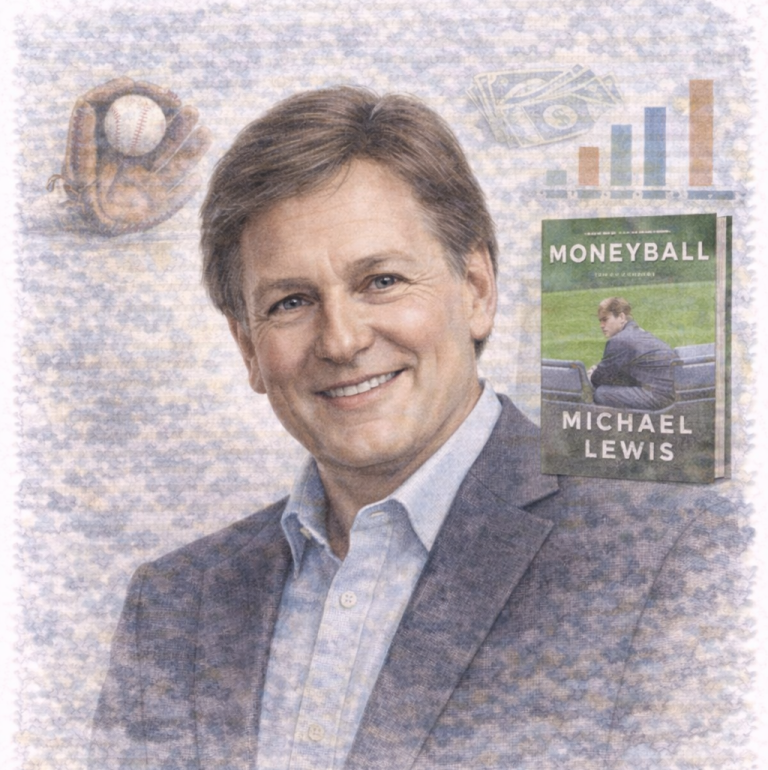
Image: AI Generated for editorial purposes only

We need your consent to load the translations
We use a third-party service to translate the website content that may collect data about your activity. Please review the details in the privacy policy and accept the service to view the translations.


